A project by ITALICS
in collaboration with
MACRO — Museum of Contemporary Art of Rome
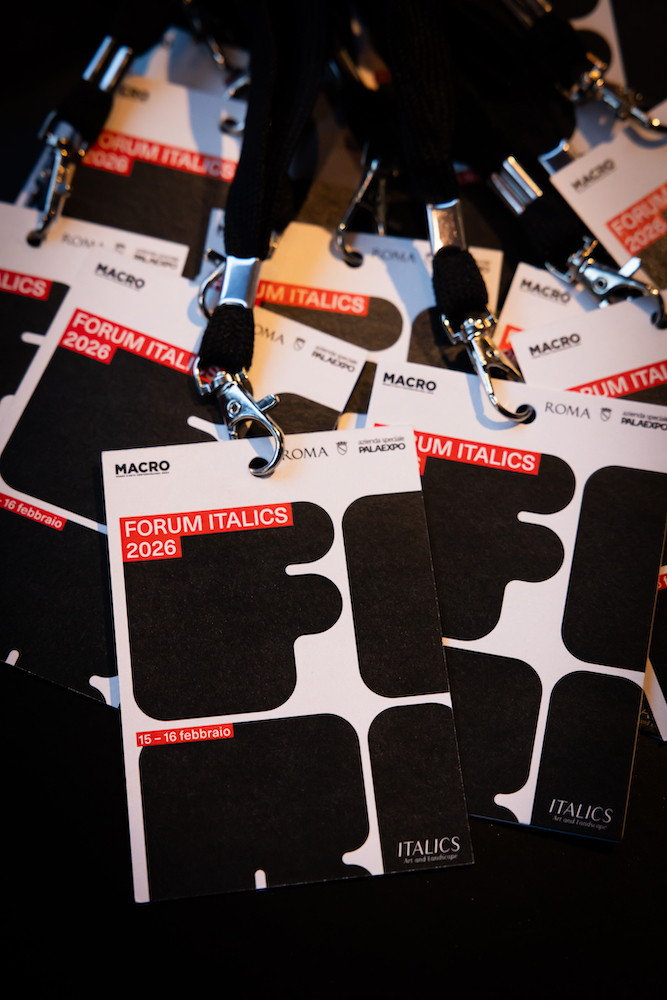
February 15-16, 2026
Seven thematic tables dedicated to key issues for the present and future of the Italian art system, a roundtable aimed at defining shared strategies and goals, and an event open to the public.
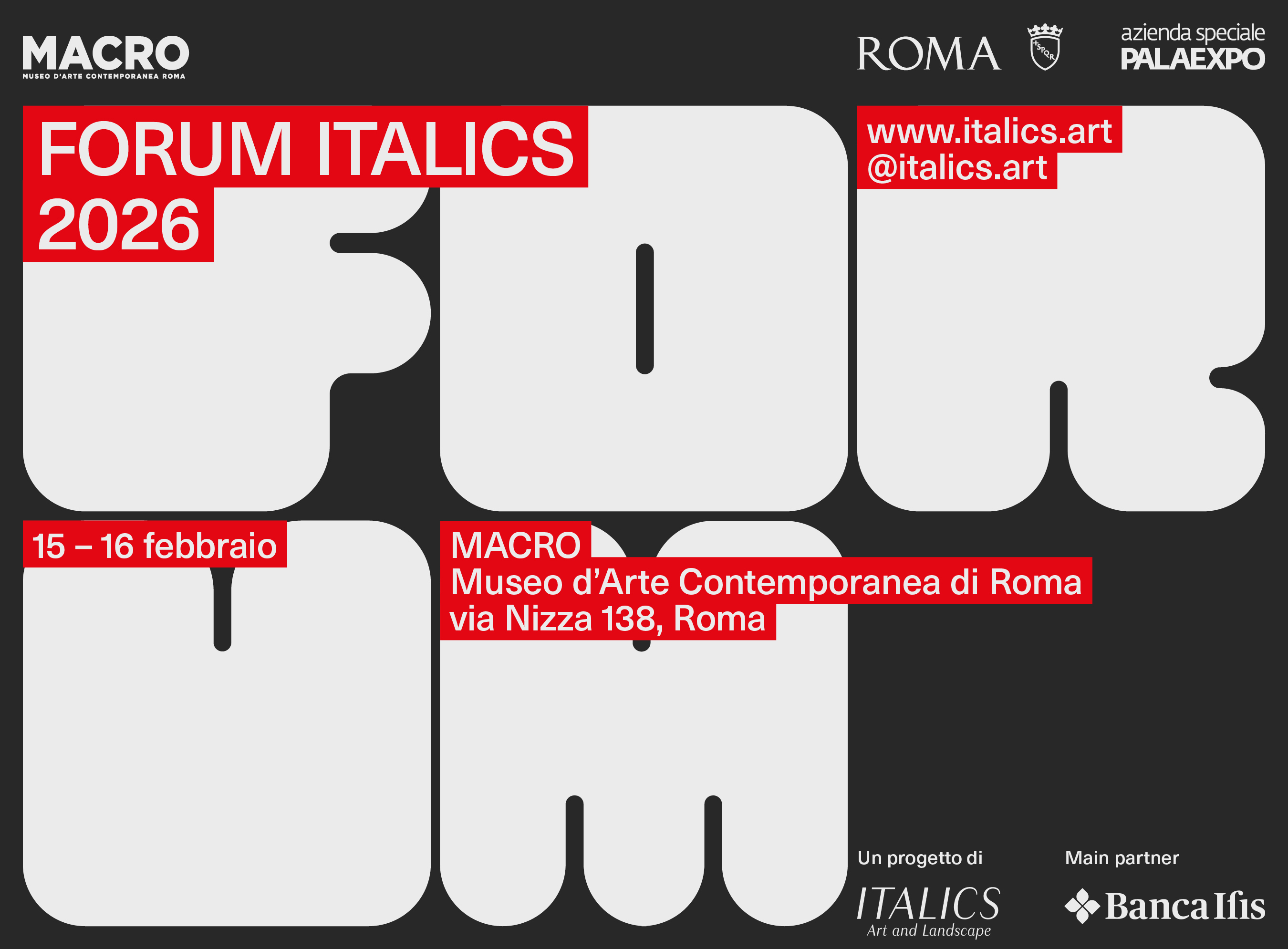
The fourth edition of FORUM ITALICS, organized in collaboration with MACRO — Museum of Contemporary Art of Rome, explored the strategic renewal of Italian galleries, with a dedicated focus on collaboration, internationalization, and the support of emerging realities. Key themes included sustainable cultural production and territorial impact, the relationship between public policy and the art market, and the shifting habits of a new generation of collectors. The program also examined strategies for the international promotion of non-canonized artists, innovative visibility and communication models for galleries, and the impact of AI on cultural practices.
Forum Italics remains a vital platform for dialogue and reflection on the art system — an event designed to stimulate debate on the role of galleries as cultural enterprises, bringing together industry experts to address the core issues of today’s cultural landscape.
In addition to the private activities reserved for the galleries, ITALICS and MACRO held a public talk on the afternoon of Sunday, February 15.
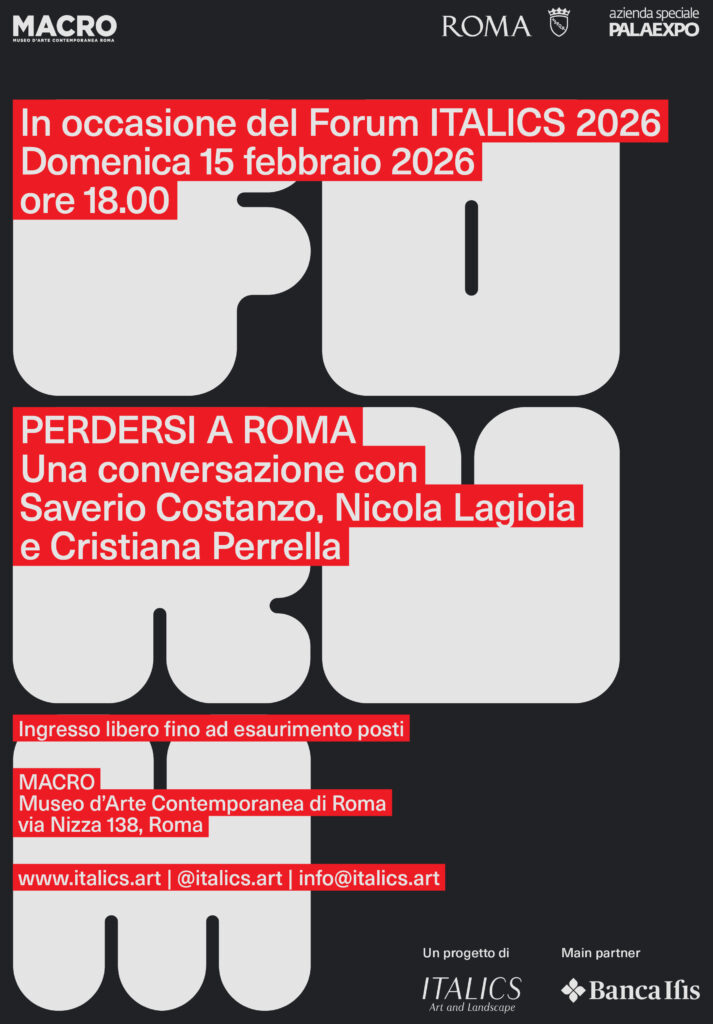
EVENT OPEN TO THE PUBLIC
LOST IN ROME
A conversation with Saverio Costanzo, Nicola Lagioia, and Cristiana Perrella.
February 15, 6:00 PM
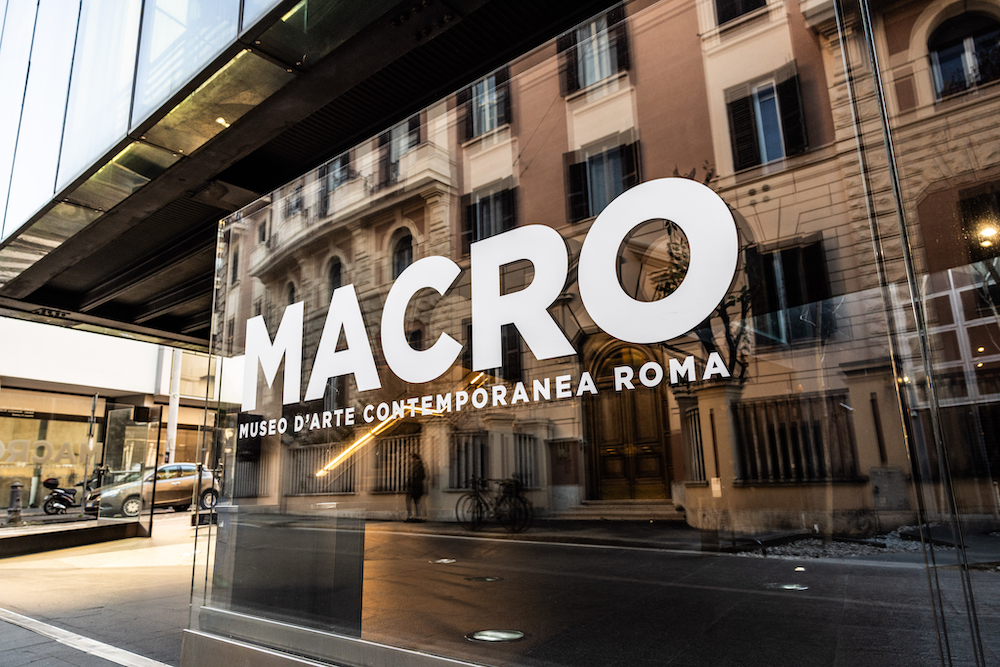
MACRO – Museo d’Arte Contemporanea di Roma
Via Nizza, 138, Rome
Free admission, subject to availability
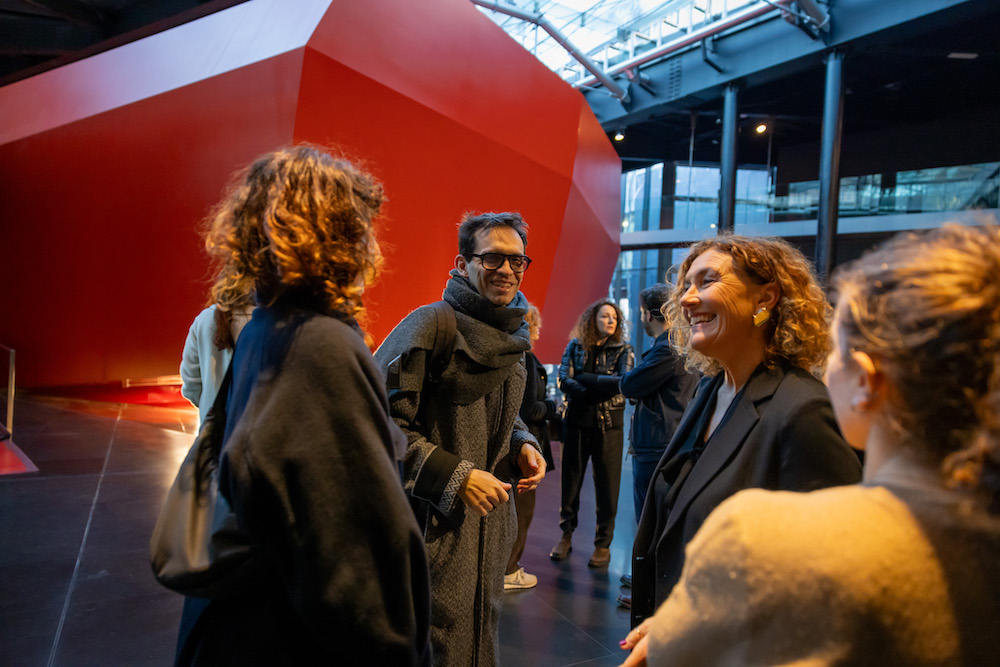
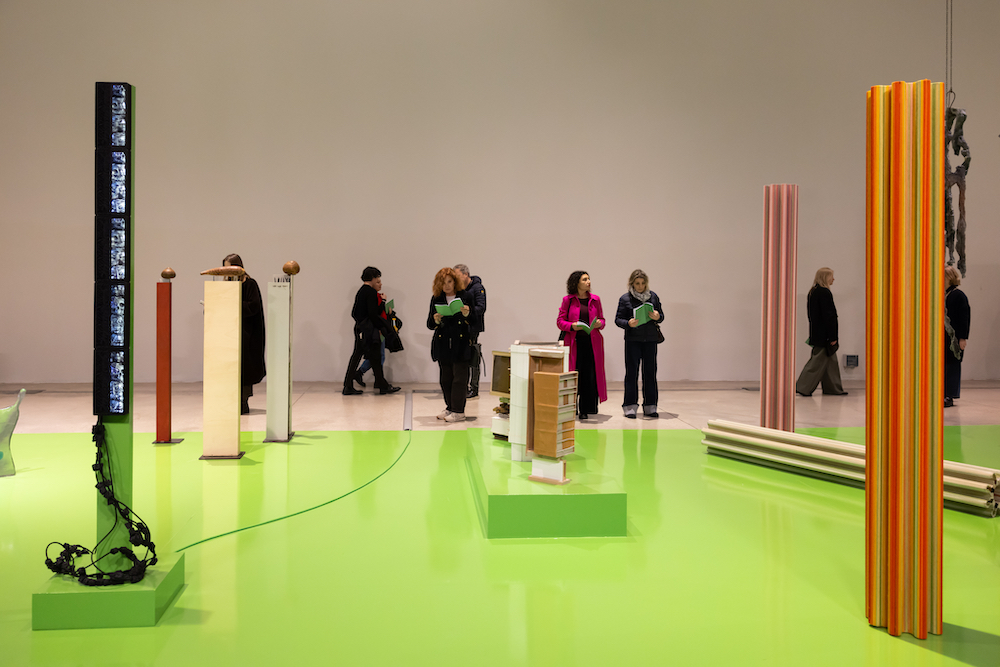
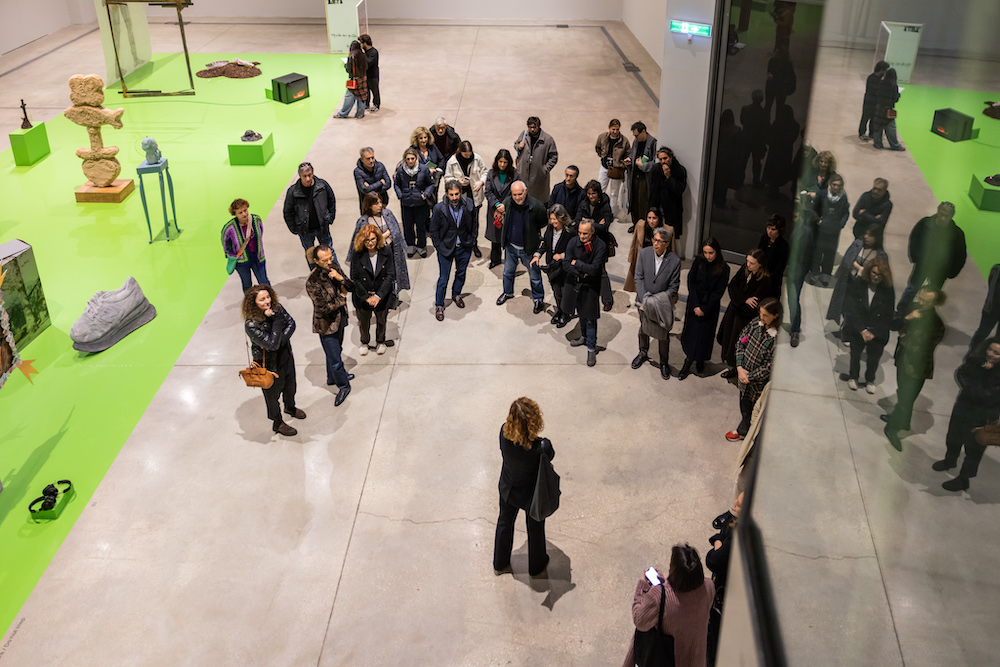
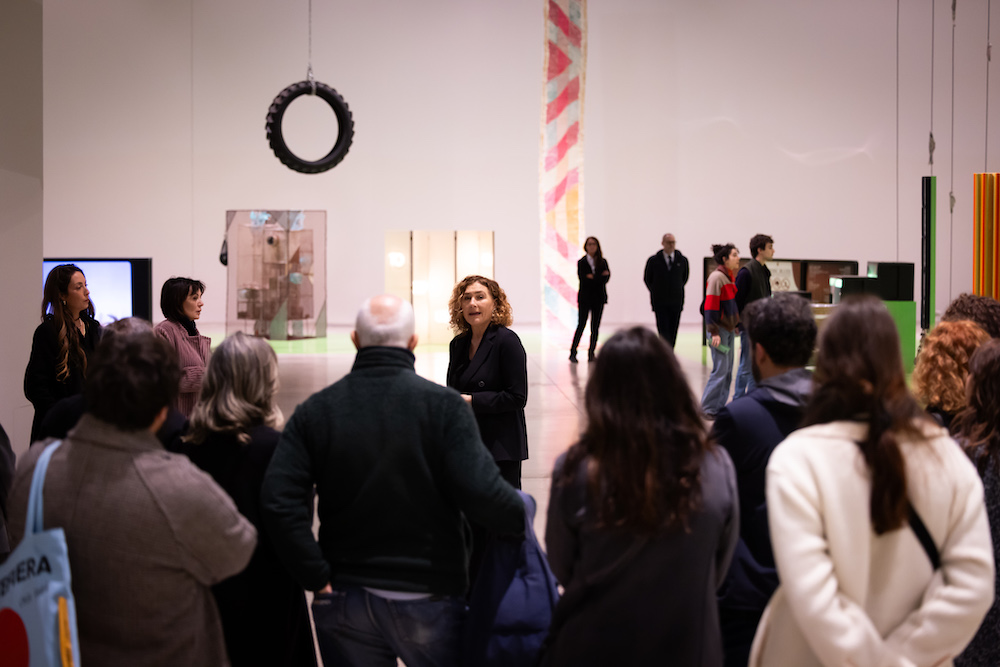
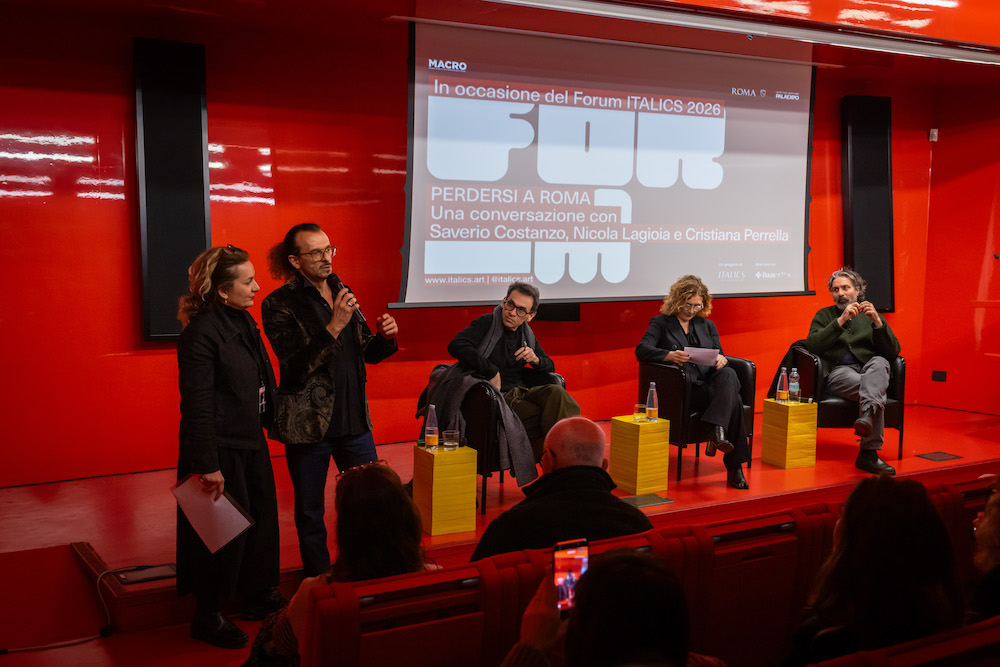
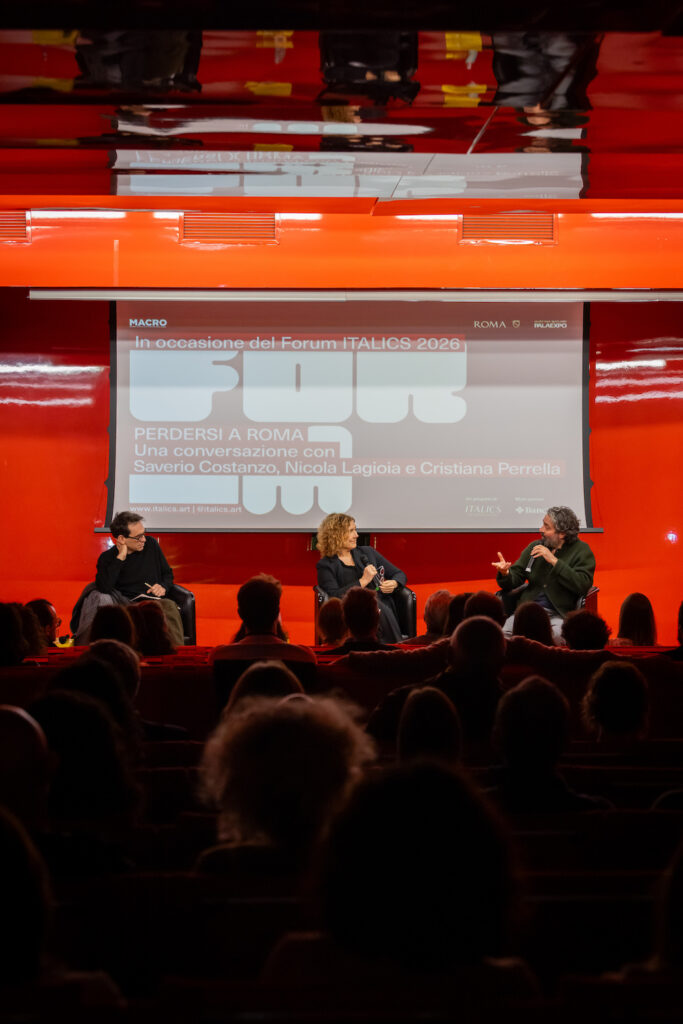
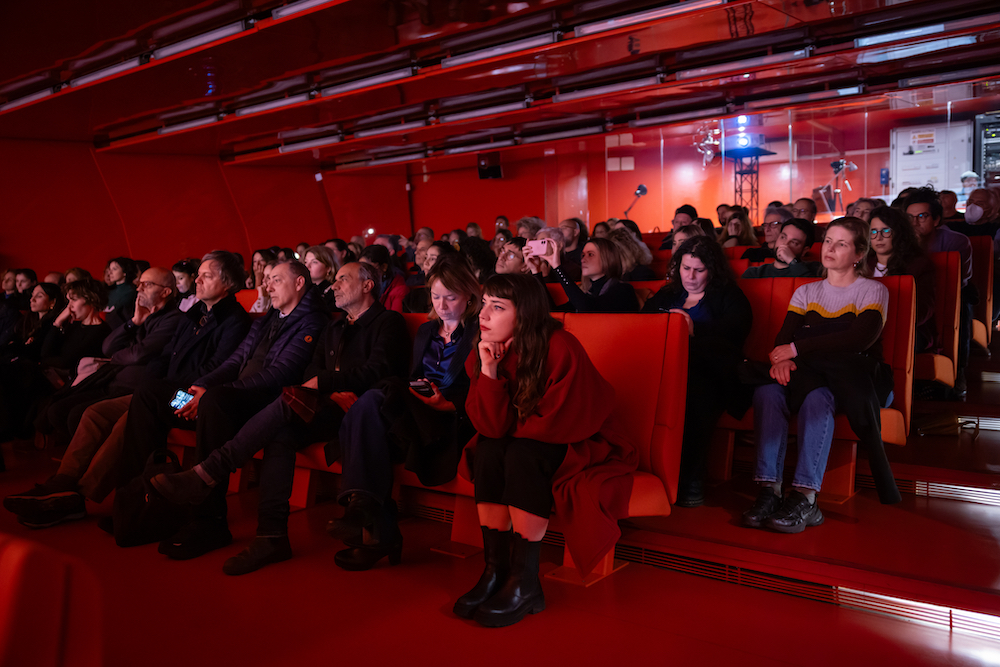
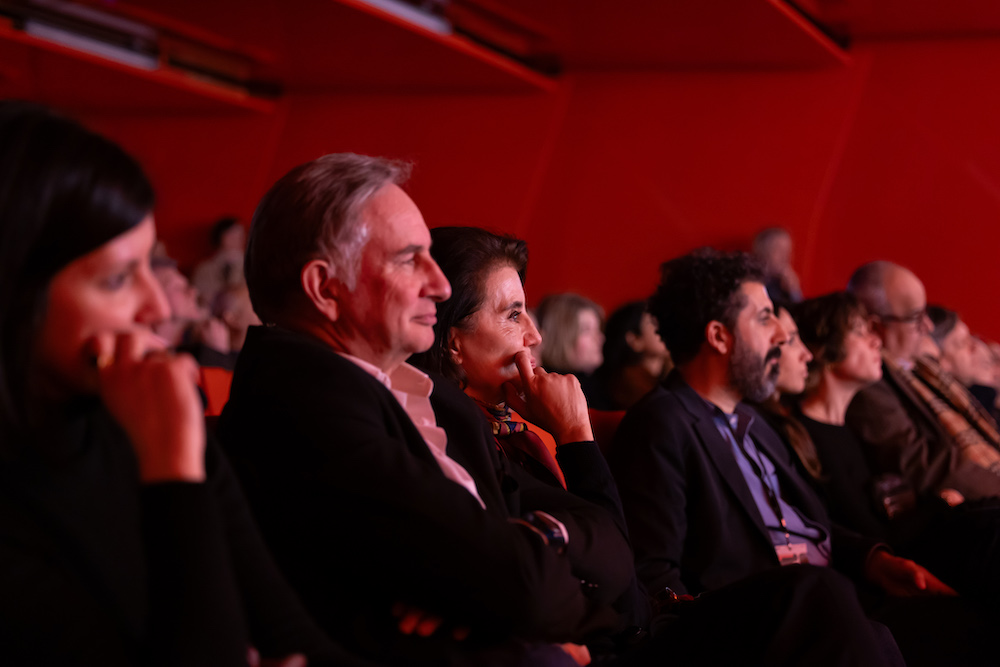
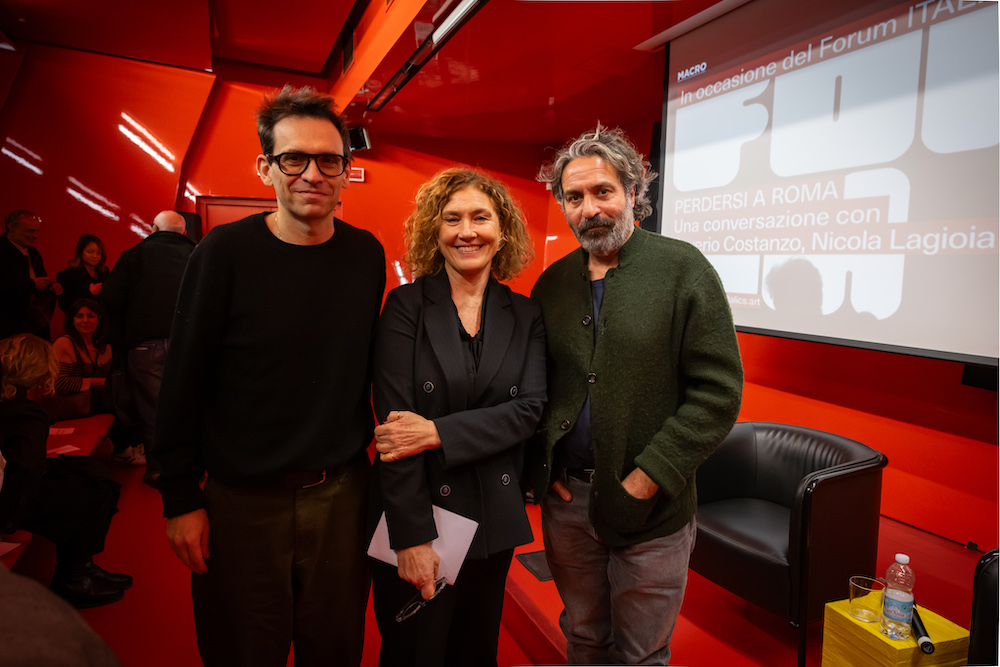
Forum Italics kicked off on Sunday, February 15 with LOST IN ROME, a public conversation featuring director Saverio Costanzo; writer and radio host Nicola Lagioia; and MACRO Artistic Director Cristiana Perrella, speaking before a large and engaged audience. Drawing on themes from the exhibition UNAROMA, the meeting offered a reflection on Rome as both a physical and symbolic space shaped by generational and cultural transformations, through references to cinema, literature, and contemporary artistic practices.
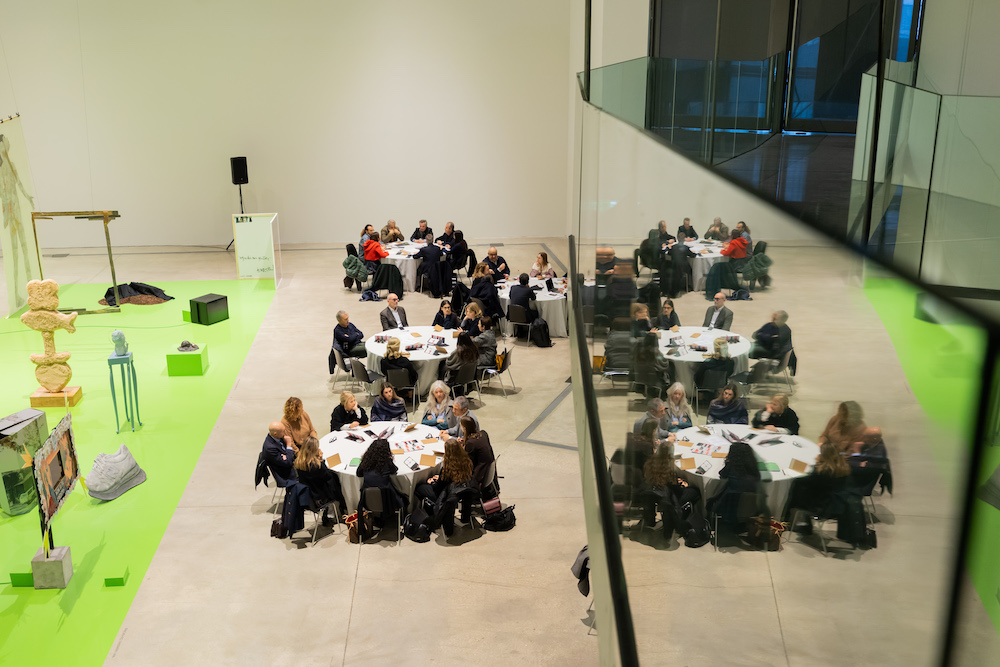
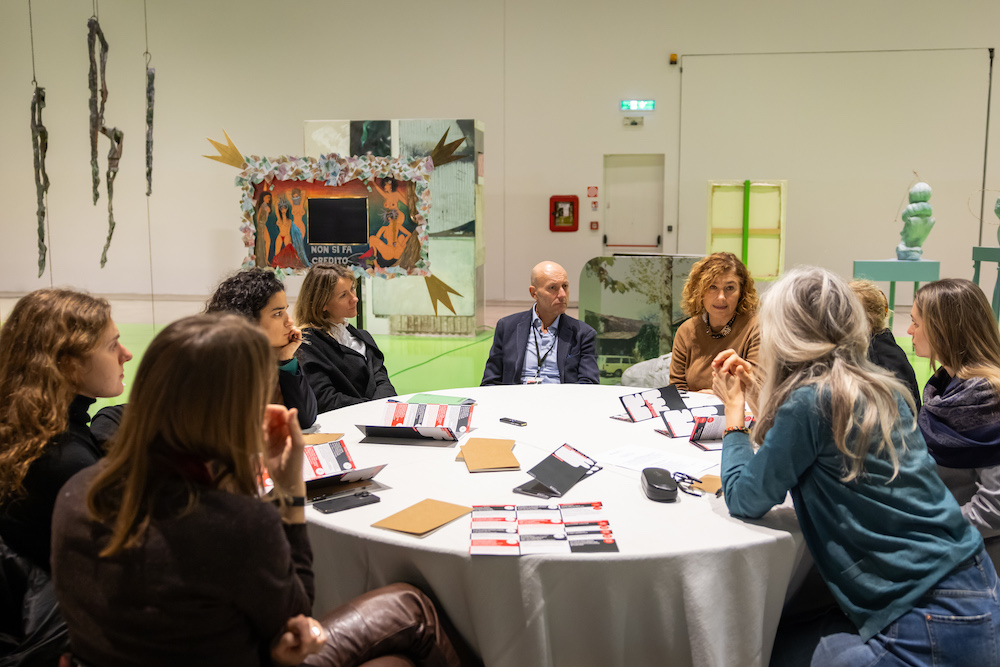
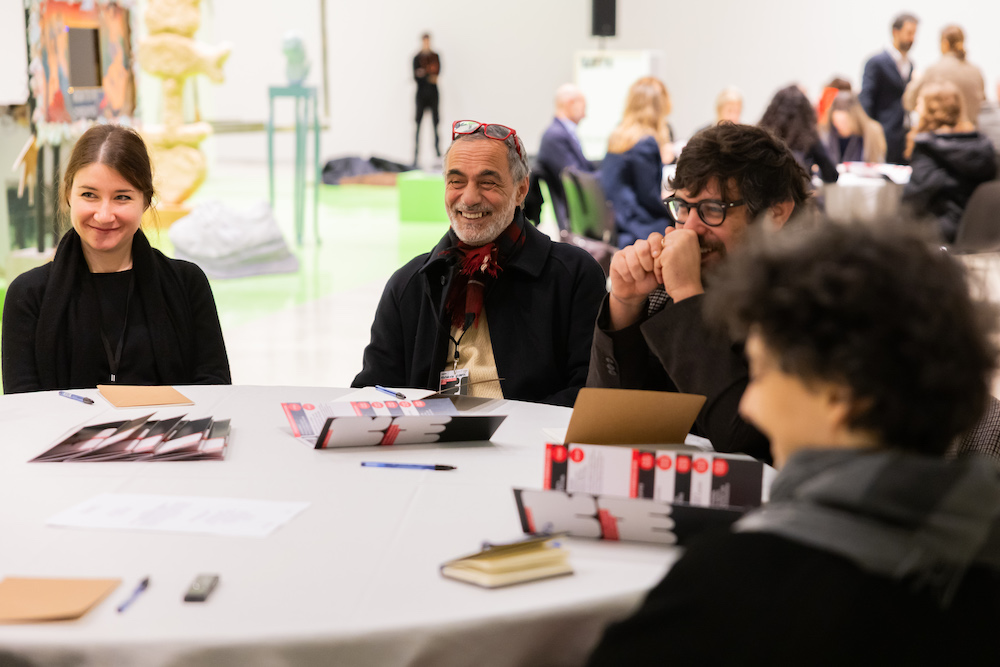
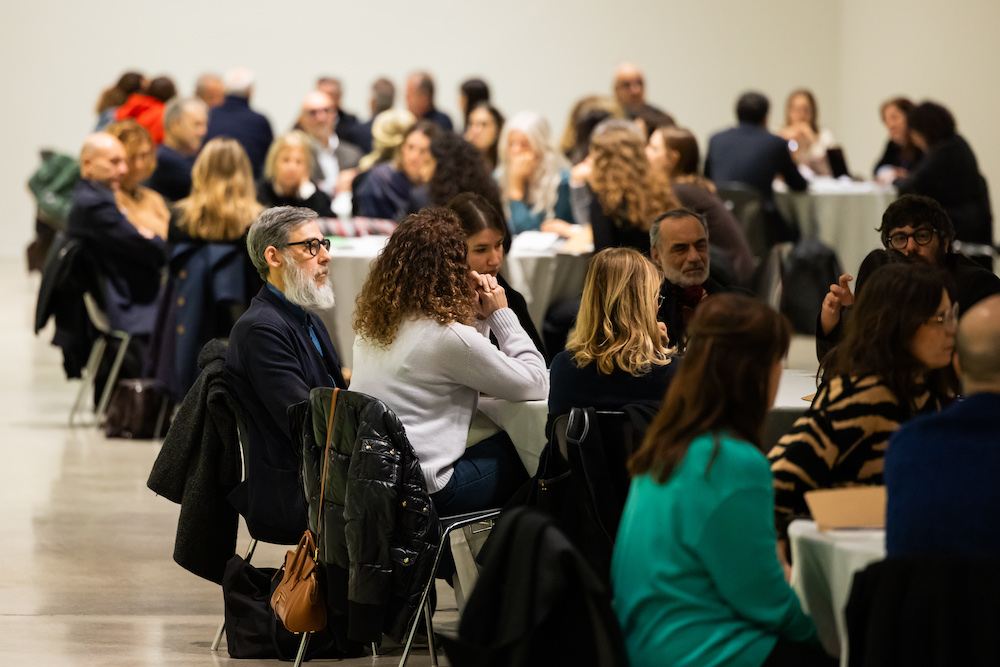
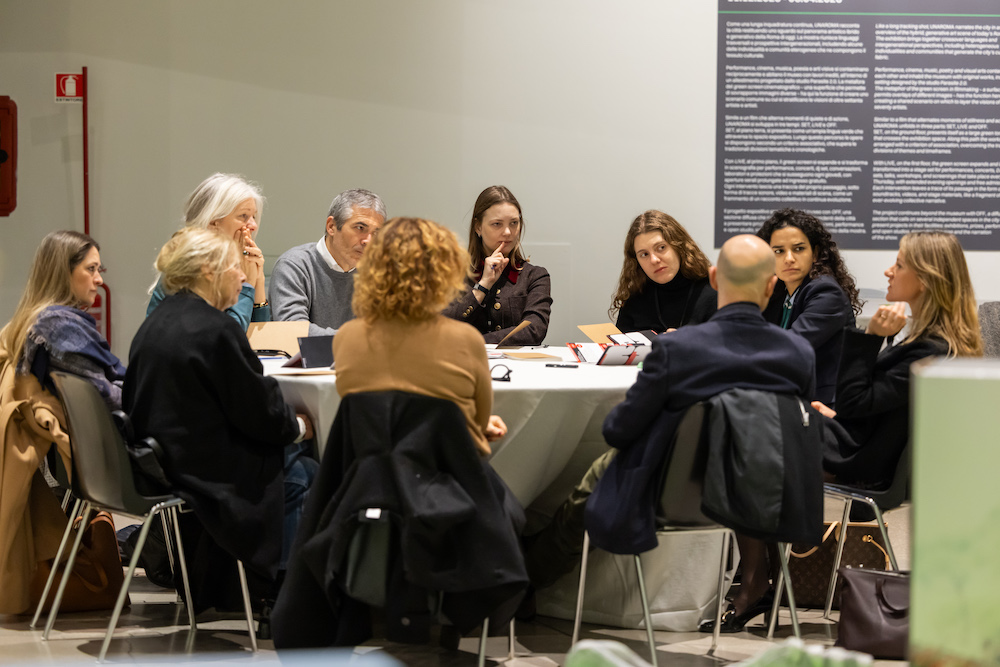
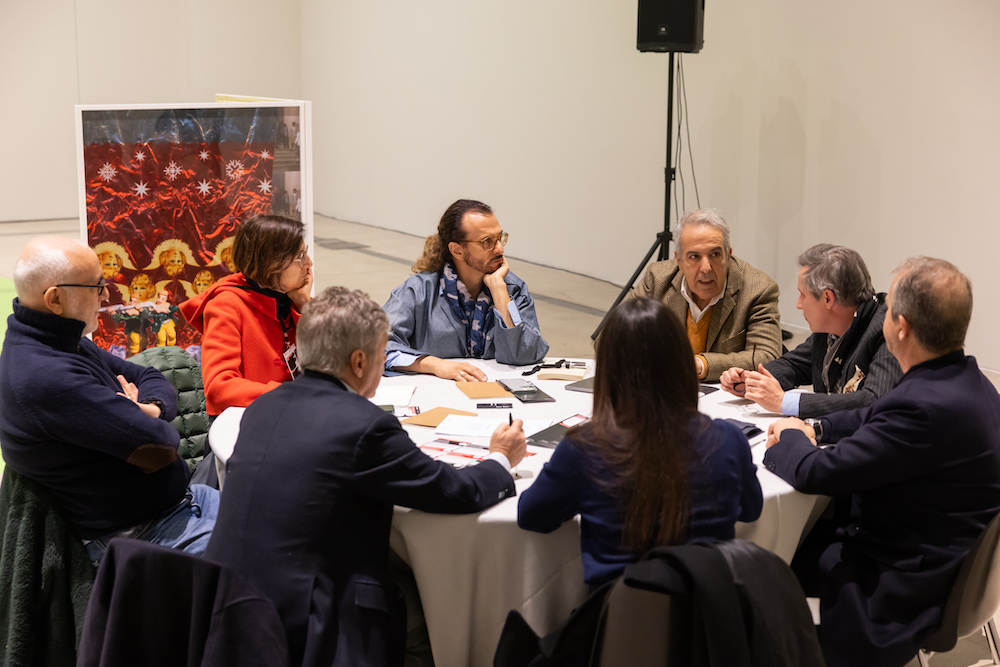
On Monday, February 16, FORUM ITALICS continued behind closed doors with a full day of sessions reserved for member gallerists. Participants gathered across seven working tables, moderated by industry professionals and experts, to focus on core themes for the present and future of the Italian art system.
The table ITALICS 2030: a new strategic cycle for an institution, moderated by Marco Delogu (President of Azienda Speciale Palaexpo), initiated a reflection on the need to strengthen collaboration, shared planning, international openness, and proactive dialogue with public administrations.
Public Policies and the Art Market: Roles and Duties of the Ministry of Culture, moderated by Marta Ragozzino (Director of Contemporary Art and Photography at the Ministry of Culture), examined the relationship between public intervention and industry operators, with a focus on taxation, protection, and the circulation of artworks.
With Collecting Today: Between New Generations and New Networks, moderated by Giovanni Floridi (Founder of Fondazione D’ARC), the session analyzed the evolution of contemporary collecting and the growing role of younger generations.
Strategies for the International Recognition of Non-Historicized Italian Artists, moderated by Francesco Stocchi (Artistic Director of MAXXI, Rome) with the participation of Cristiana Perrella, highlighted critical issues and tools for strengthening the international presence of Italian artists.
The Fair and Beyond: New Commercial and Promotional Models for Galleries, moderated by Flavio Del Monte (expert in communication and strategic consulting for the arts), examined shifts in promotion and sales strategies within a highly polarized system.
New Technologies, Rights, and Skills in Gallery Work, with Carmelo Carbotti (Head of Strategic Marketing and Research, Banca Ifis), addressed the impact of Artificial Intelligence and digital platforms on professional practices.
Finally, Interweaving Ancient, Modern, and Contemporary in 21st-Century Curating, moderated by Flaminia Gennari Santori (Art Historian and former Director of the Gallerie Nazionali d’arte antica, Rome), reflected on the role of galleries in building new trans-historical perspectives and renewing curatorial languages.
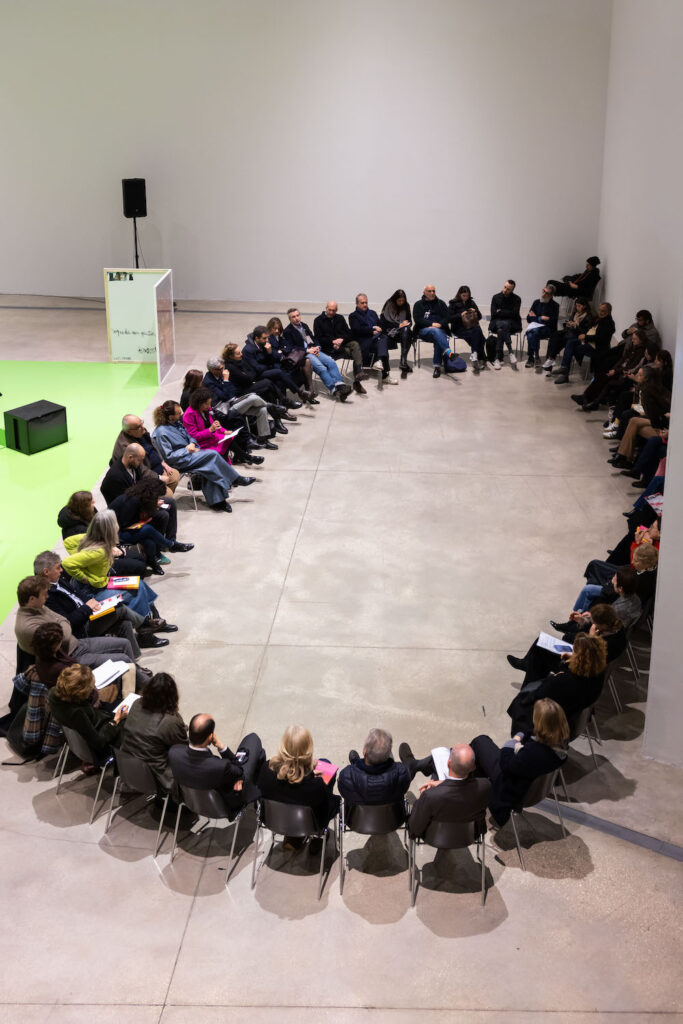
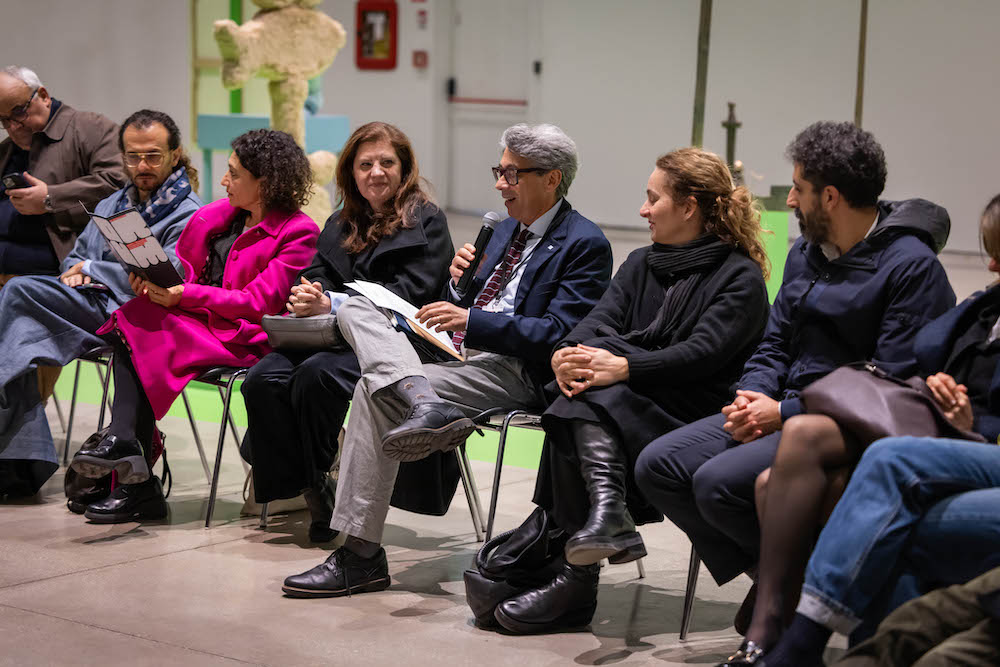
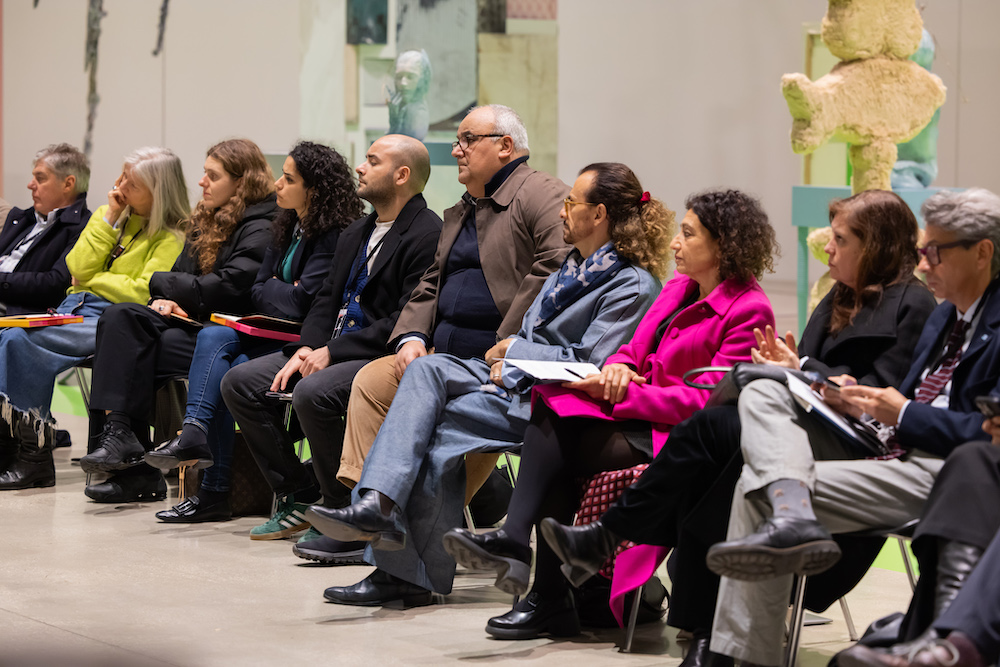
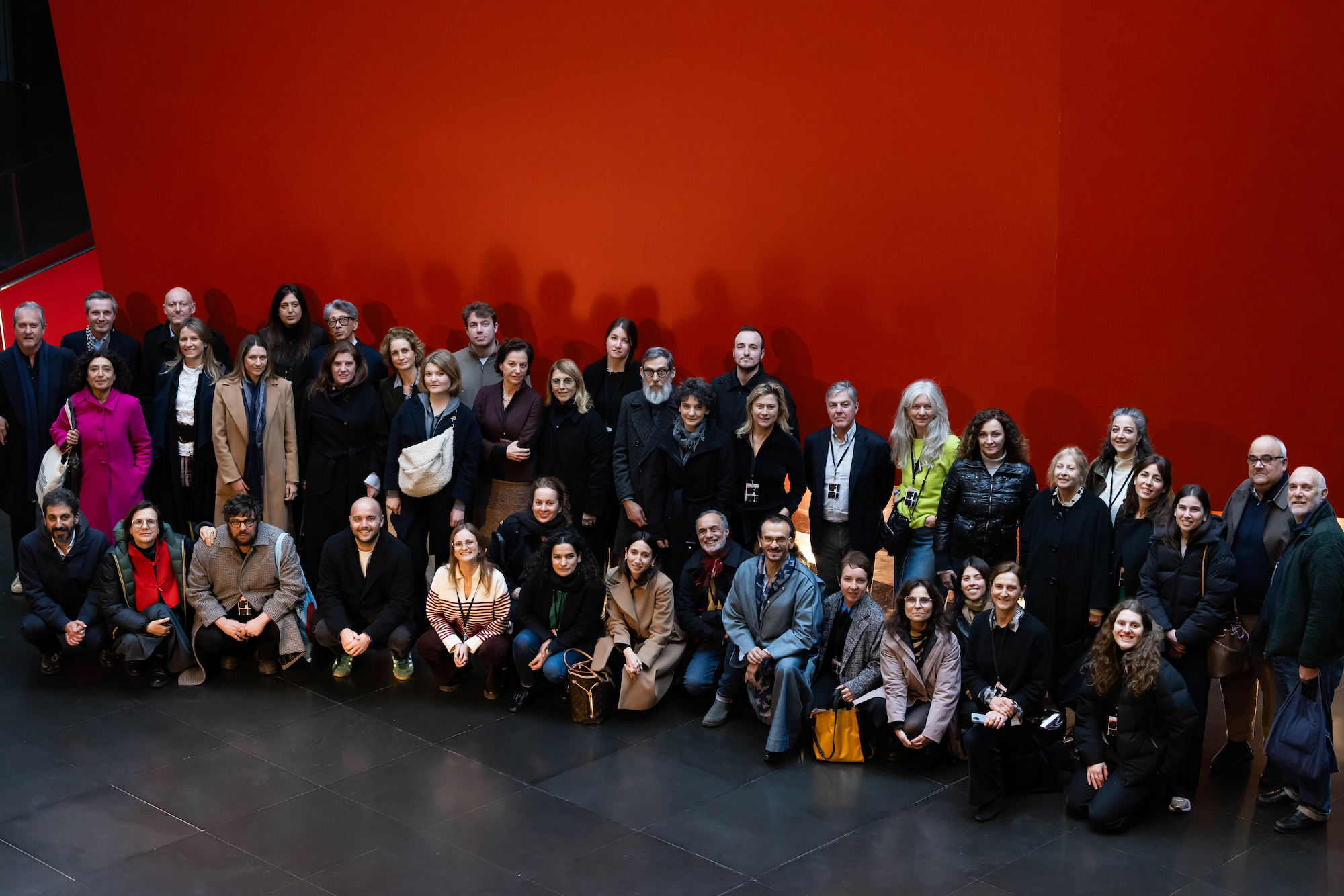
FORUM ITALICS 2026
A project by ITALICS
In collaboration with MACRO — Museo d’Arte Contemporanea di Roma
Strategy: ArtsFor_
Graphic Design: Giga Design Studio
Press Office: Lara Facco P&C
Social Media Manager: Roberto Bianchi
Photography: Stefania Casellato
As Main Partner, Banca Ifis confirms its support for ITALICS and its continued commitment on the occasion of the Forum’s fourth edition.
