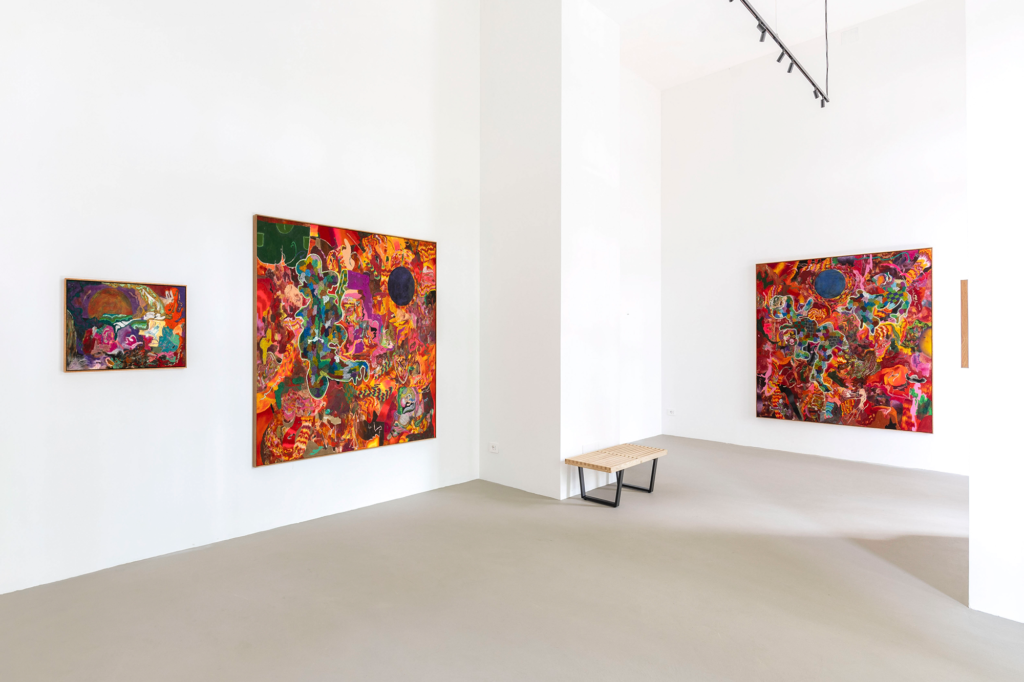
The Federica Schiavo Gallery was launched in 2009 in Rome. Over the years, the gallery’s programme has focused on seeking out and promoting the work of emerging Italian and international artists. The artists represented span a wide range of media, including video, performance, sculpture and painting, adopting a rigorous and original approach to traditional and contemporary subjects.
Focusing on the international scene, the gallery aims to support and encourage its artists in building partnerships with galleries, promoting exchanges with the leading international public and private art institutions and participating in art fairs.
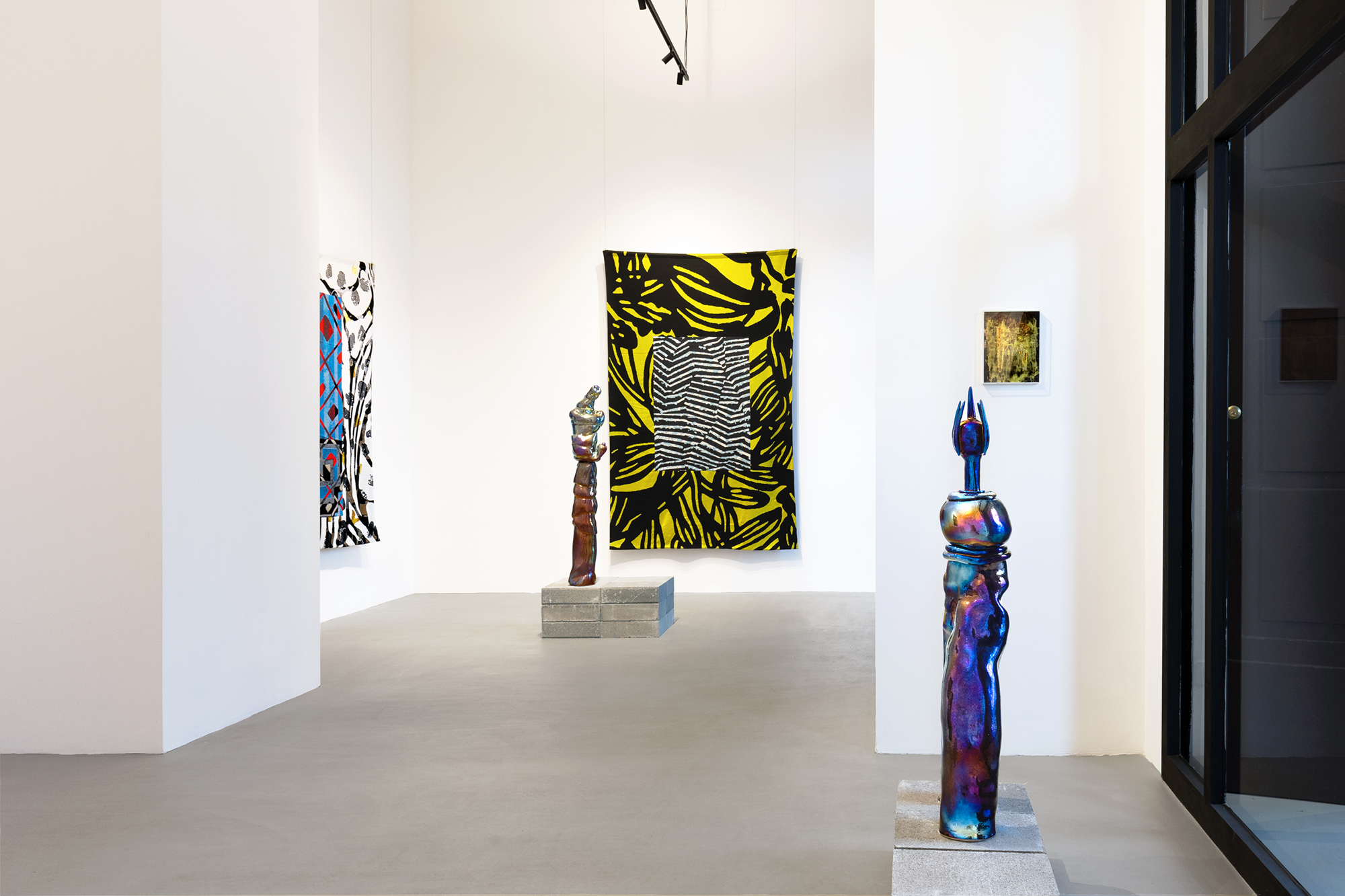
Salvatore Arancio, Neither His Nor Yours, 2025, installation view, Federica Schiavo Gallery. Foto: Giulia Pietroletti
In September 2016, Galleria Federica Schiavo opened its Milan branch with a solo exhibition by Jay Heikes, and, by the end of 2024, reopened with a new branch in the centre of Rome.
Exhibitions
City
Exhibition
Date
Roma
All The Synecdoches And Metonymies In The World Make Up One Great Metaphor, Andrea Romano
Until 30.04.2026
“Rome has an amazing ability to captivate, not just for its history but also for its very striking contrasts, which influence the projects developed there.”
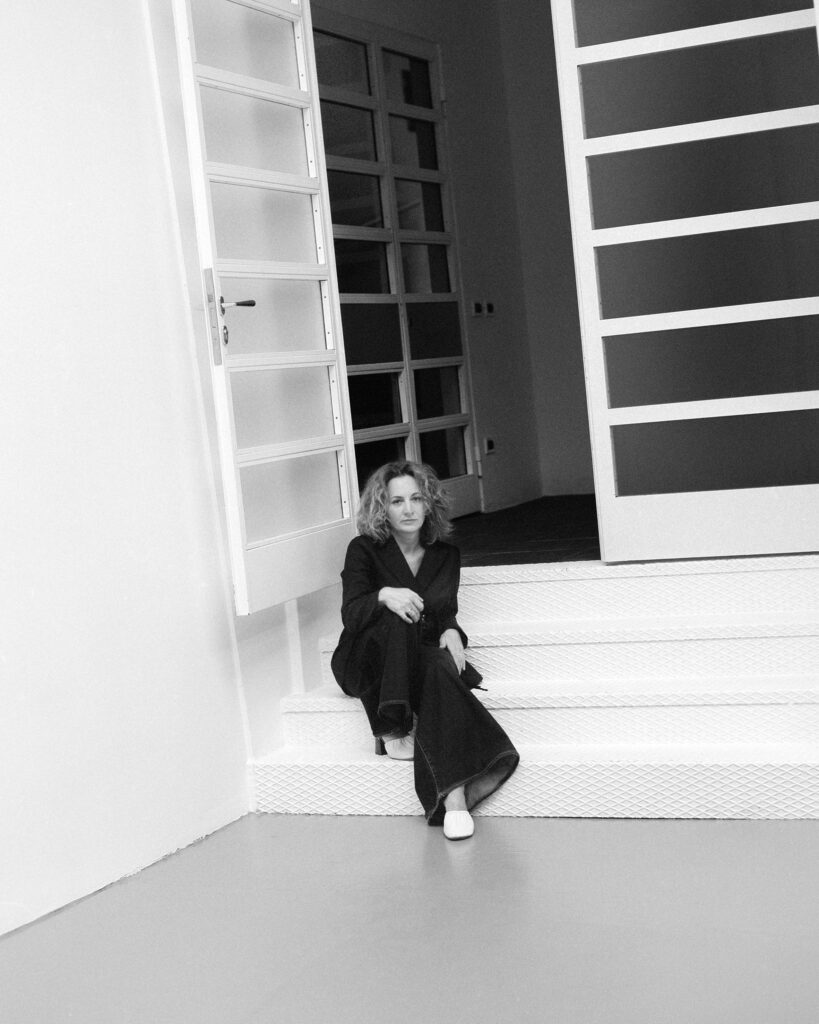
Federica Schiavo. Photo: Federica Sasso
In conversation with Federica Schiavo, Federica Schiavo Gallery
Is there a way of being a gallerist in Italy that differs from other countries? Is there a specifically Italian approach to your work? What characterises the Italian art scene?
The gallery has always supported Italian artists, a choice motivated by responsibility towards our country. Italian galleries play a primary role in contemporary cultural production, supporting, encouraging and organising the activity that makes up Italy’s heart and voice, in part through the priceless artisan heritage at the base of Italian production.
What is the value for contemporary society of art on display in galleries? What is the role of the gallerist in Italy today?
Galleries play a fundamental cultural role in society. In a country brimming with old works of art, contemporary art is rarely seen as a possibility for development. Galleries give it the space to be created and seen, offering a new perspective, indicating a path, defining one kind of taste and then immediately going beyond it – Italy needs to keep playing this role in international cultural production.
Svenja Deininger, Quotes, 2022, installation view of the exhibition. Courtesy of the artist and the gallery. Photo: Andrea Rossetti
Tell us about the space you’ve chosen for the gallery and the context it is set in.
Over the years, the gallery has tried out different types of space in Rome and Milan: from the austere Renaissance architecture of Rome’s historical centre to an apartment in the heart of Milan’s Quadrilateral district, and finally, before the definitive return to Rome, a venue with an industrial feel in Milan’s vibrant NoLo district. Many of the artists we handle are particularly interested in the narrativity between various artworks, and thus how they are displayed. They’re also concerned about the interior architecture of the gallery as well as the character of the neighbourhood and, most importantly, the host city itself.
Why have you opted for Rome and Milan in recent years?
Rome and Milan are two complementary cities, vastly different from many viewpoints but, looking from a broader perspective, equally capable of expressing Italian cultural dynamism and liveliness. Milan is undoubtedly more projected towards the future and has the pace and ambition of the great international metropolises, while Rome has an amazing ability to captivate, not just for its history but also for its very striking contrasts, which influence the projects developed there.