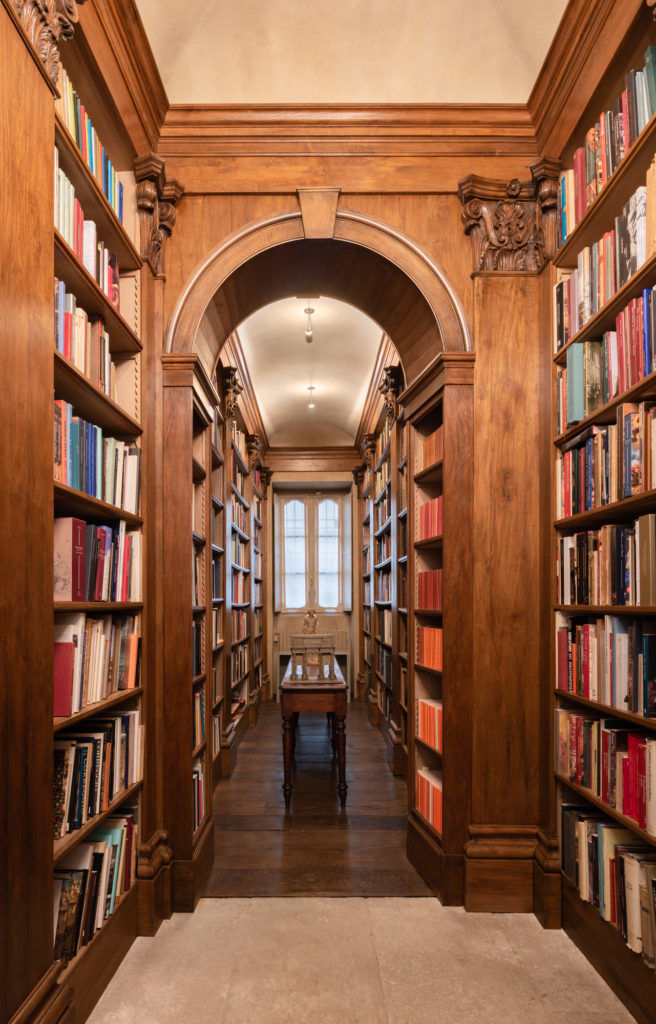
The Carlo Orsi gallery is located in Milan’s prestigious fashion district, inside an 18th-century palazzo. Founded in the early 1950s by his father Alessandro, the gallery has been run by Carlo Orsi since 1986.
Galleria Carlo Orsi, Milan. Courtesy Galleria Carlo Orsi, Milan. Photo: @HG Esch Photography
Specializing in Italian paintings and sculptures from the 15th to the early 20th century, it also participates in the most prestigious art fairs in Europe and abroad: TEFAF Maastricht and TEFAF New York, the International Biennial Antiques Fair in Florence and Frieze Masters in London. Throughout the years, Galleria Orsi has supported numerous museum institutions, loaning out works and financing the publication of books, as well as compiling catalogs on studies of specific works and artists.
The gallery is also committed to directly sponsoring cultural associations, public institutions and restoration projects.
Galleria Carlo Orsi, Milan. Courtesy Galleria Carlo Orsi, Milan. Photo: @HG Esch Photography
“I like spending time with collectors, helping them form an opinion, guiding them in their choices. I get great satisfaction from seeing a young collector recognize and appreciate quality. ”
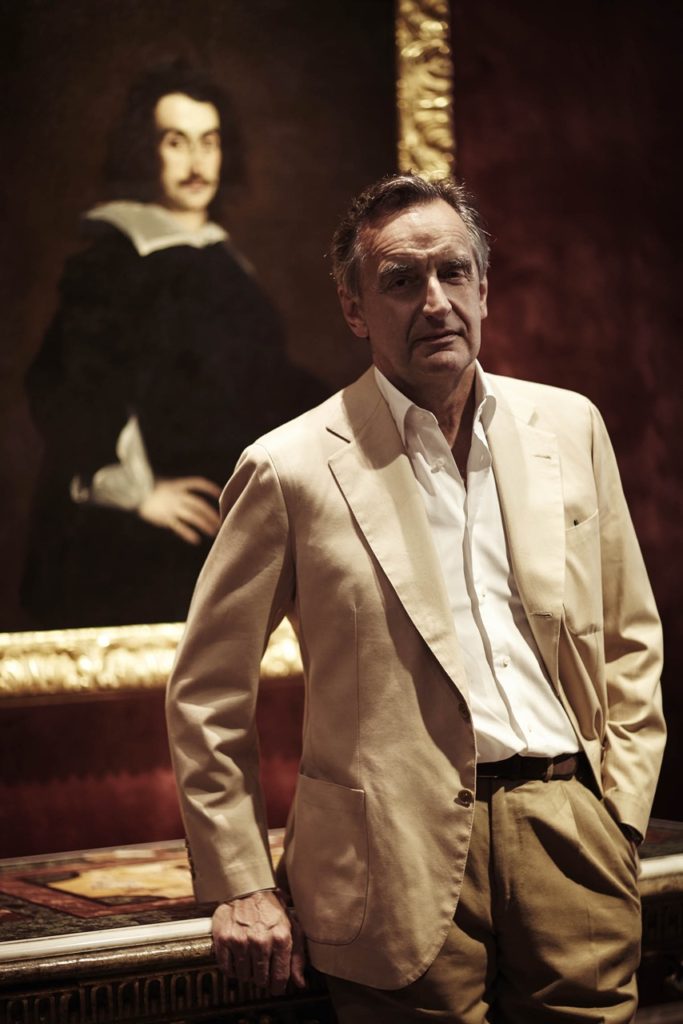
Carlo Orsi. Courtesy Galleria Carlo Orsi, Milan. Photo: Marco Cella
In conversation with Carlo Orsi, Galleria Carlo Orsi
How did your career in art begin?
I officially started the business in 1986 when I took over the gallery from my father, Alessandro, but my vocation as a dealer emerged as soon as I graduated, when I sold a couple of objects I’d inherited from my grandmother and had the means to go into business for myself. In those early years, the work was frenetic: I bought everything, then quickly resold it at a small profit. The goal was to hone my craft and to perfect my eye and my taste.
Have you recently been involved in any social, environmental or educational initiatives related to art?
I’m the president of the Amici di Brera Association, a prestigious, ancient institution – the first in Italy – which supports the Pinacoteca with donations, restorations, and acquisitions that have made the museum what it is today. At the height of the fascist regime – after the bombings, the forced closure, and even suspected of being a den of anti-fascists – the Association bought Caravaggio’s Supper at Emmaus, one of the collection’s treasures.
The most complicated moment and the happiest moment in your career to date?
When I left my father’s business and went out on my own. I was twenty-six years old. I remember the huge longing for independence, the desire to make my own way, but also being afraid that I’d never measure up to him, and the fear of the future that was still to come.
Galleria Carlo Orsi, Milan. Courtesy Galleria Carlo Orsi, Milan. Photo: @HG Esch Photography
A gallerist who taught you some secrets of the trade?
I have very fond memories of the Venetian antiquarian, Ettore Viancini. A highly cultivated man with a great gift for the vocation of teaching, which my father didn’t have. I used to go to Venice and we’d spend the afternoons wandering around churches and talking about art, or huddled over a painting. From him I learned that a work should never be appraised starting with the name.
How do you build your relationship with young collectors? How do you keep that relationship with loyal collectors alive?
The key is taste. I like spending time with collectors, helping them form an opinion, guiding them in their choices. I get great satisfaction from seeing a young collector recognize and appreciate quality. The only thing that matches it are the really heated exchanges I have with some of the most expert collectors, and I always end up learning something from them in an endless process of refining one’s taste.
Galleria Carlo Orsi, Milan. Courtesy Galleria Carlo Orsi, Milan. Photo: @HG Esch Photography
“Do you have any unrealised project?”
None. You could say that I’ve been lucky, but I like to believe in willpower rather than luck. And if we want to talk about luck, then it was the possibility of combining a passion with work. Passion carries you forward even when you’re experiencing fatigue, but in pursuing my goals, I’ve always been sustained by a Gramscian “optimism of the will.”