Studio Gariboldi

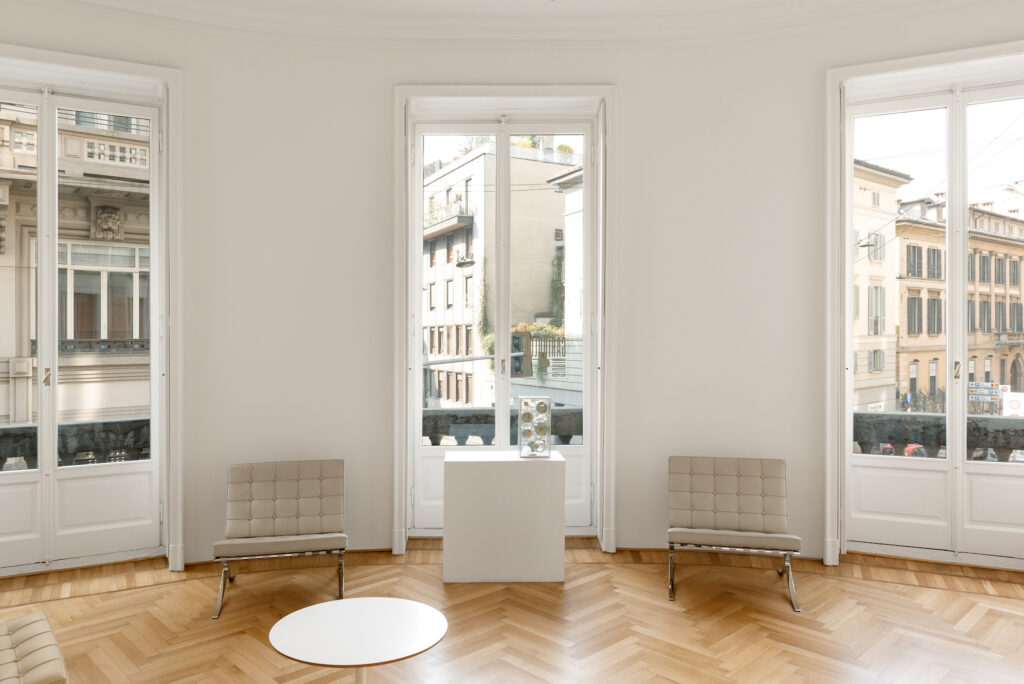
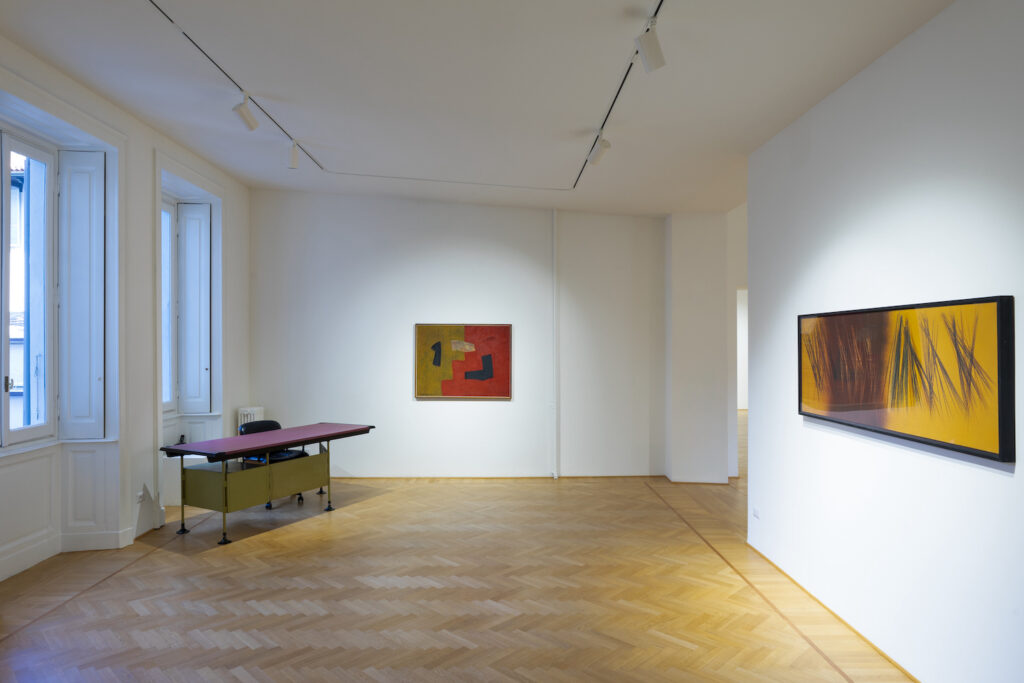
Serge Poliakoff, Hans Hartung, Studio Gariboldi, Milan. Courtesy Studio Gariboldi

Studio Gariboldi was established in Milan in 1995 by Giovanni Gariboldi and has its main venue at 23 Corso Monforte in Palazzo Cicogna. The gallery began its exhibition activity focusing on Informal painting and movements such as Nuclear Art, Spatialism, and Existential Realism.
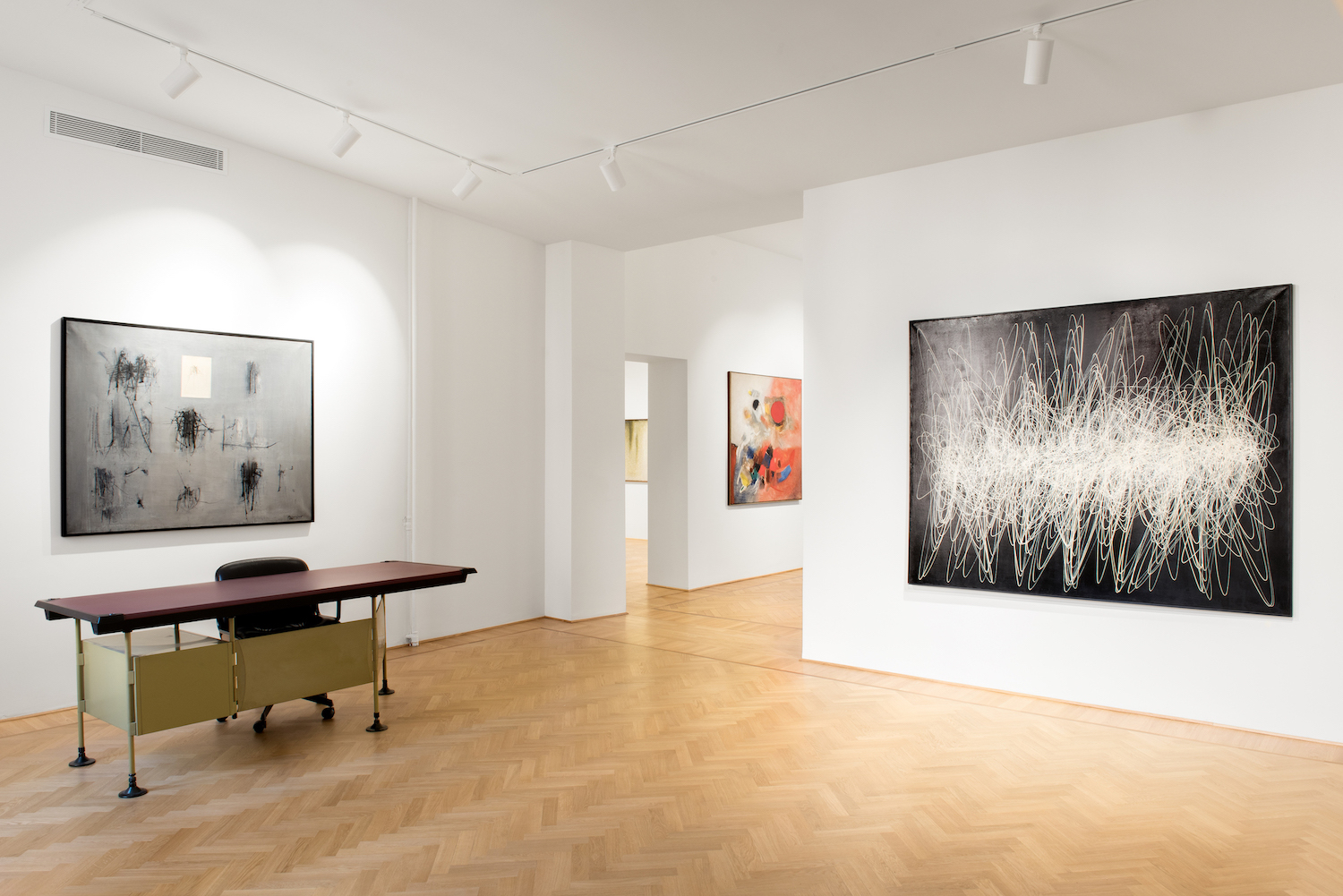
Emilio Scanavino, Edmondo Bacci, Roberto Crippa, installation view, Studio Gariboldi, Milan. Courtesy Studio Gariboldi

Within a few years, it had expanded its exhibition spaces and progressively extended the boundaries of its exploration, which also focuses on European and international artists of the post-World War II avant-garde. Ranging from Lo Savio to Soto, from Leblanc to Gianni Colombo. The exhibitions aim to offer a taste and selection of works for collectors. Salvatore Scarpitta, Antonio Calderara, Mary Bauermeister, Nobuya Abe, Mirko Basaldella, and Ray Parker are some of the trailblazers whose works were presented to the public at the venue in Via Ventura 5, located in the emerging Milan hub of Art and Design. Almost thirty years after its foundation, Studio Gariboldi returns to the center of Milan, in Corso Monforte, with the potential and energy to strike out in new directions. 

Pol Bury, installation view, Studio Gariboldi, Milan. Courtesy Studio Gariboldi

Solo exhibitions where the artist’s work is showcased and a particular historical moment is narrated. Spaces set up ad hoc, where the seasoned collector can feel at the heart of things, while at the same time the new collector is provided with pointers for cultivating taste and starting a coherent collection. The gallery’s activities include new projects in education, writing and cinema, with the aim of studying, reading and decoding images. 
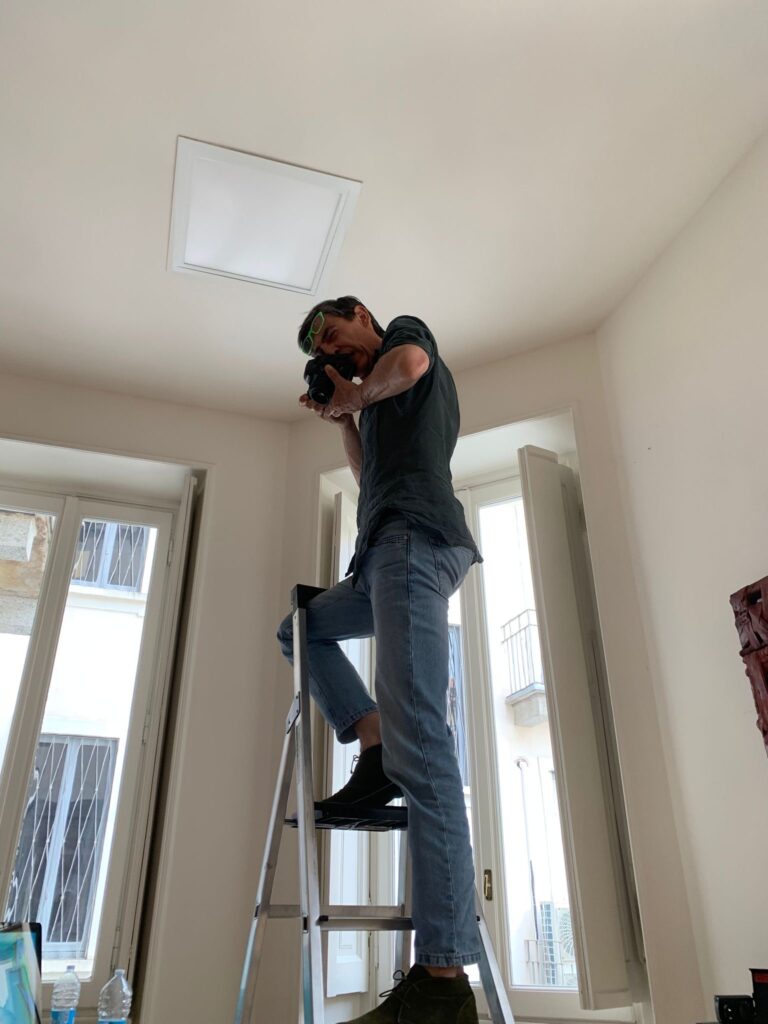
“In my work I try to find affinities and connections, or I work by contrasts, but I always seek a harmonious whole.  ”
Giovanni Gariboldi, Studio Gariboldi

In conversation with Giovanni Gariboldi, Studio Gariboldi

Tell us about the place you chose for your gallery and its setting.

Studio Gariboldi is based in Corso Monforte, on the first floor of a historical building where Lucio Fontana lived and worked when he stayed in Italy. It is a highly important place for the city of Milan: the major figures in the history of Italian and European art passed through the courtyard of Corso Monforte during the 1950s. I chose a space that is more like a home than a museum, where light and ambience can help to evaluate a work of art more effectively.

What is the relationship between art and the space that houses it?

Complementary. The space and the artwork are always in a direct relationship. Sometimes a work modifies the space, sometimes it’s the other way around. In my work I try to find affinities and connections, or I work by contrasts, but I always seek a harmonious whole.  

Mary Bauermeister, installation view, courtesy Studio Gariboldi
Your program: what kind of art do you focus on?

Studio Gariboldi focuses on Informal and Abstract art of the 1950s and its developments in the 1960s and 1970s. More generally, I deal with beautiful and significant works of art.

What are the main challenges you face in your work?

Finding artworks that will excite the discerning collector. Envisaging this at the moment of purchase. Organizing exhibitions that can speak to the visitor. Producing content, seeking to bring the younger generations closer to art. One of the greatest challenges at the moment is to find an effective key to offer a more in-depth and comprehensive view of the work of artists and the historical period they belong to. At the same time, to train the eye of those who associate with my gallery. Be they students taking part in an internship or members of the general public dropping by. In order to see, you must know how to look; this is not something that can be taught in any school.

The most unexpected visitor you’ve ever had in the gallery? The visitor you’d like to have?

My son’s first visit to the gallery and his amazement as he looked around. The visitor I’d most like to have is Kazimir Severinovič Malevič, suggested by an exhibition of his.

Read the full interview

Artists

  • Nobuya Abe
  • AIKO
  • Franco Angeli
  • Edmondo Bacci
  • Mary Bauermeister
  • Agostino Bonalumi
  • Antonio Calderara
  • Rafael Canogar
  • Giuseppe Capogrossi
  • Jack Clemente
  • Gianni Colombo
  • César
  • Roberto Crippa
  • Mario Deluigi
  • Enrico Donati
  • Jean Fautrier
  • Lucio Fontana
  • Hans Hartung
  • Key Hiraga
  • Walter Leblanc
  • Francesco Lo Savio
  • André Marfaing
  • Fausto Melotti
  • François Morellet
  • Katsumi Nakai
  • Aurélie Nemours
  • Giulio Paolini
  • Ray Parker
  • Pino Pascali
  • Serge Poliakoff
  • Angelo Savelli
  • Salvatore Scarpitta
  • Gérard Ernest Schneider
  • Nobuo Sekine
  • Jesús-Rafael Soto
  • Ben Vautier
  • Helmut Zimmermann